
Safe & Supportive School Environments
In education, discipline equity is a crucial principle that guarantees fairness, respect, and comprehensive growth for all students. We believe that every student, regardless of their background, should receive fair and consistent discipline that fosters their development. By championing discipline equity, we create a safe and supportive learning environment that helps students become responsible citizens and make a positive impact on their communities.
Discipline equity must also be paired with policies that ensure students have what they need to succeed in and out of the classroom. This includes expanding access to school-based mental health supports, ensuring all students have reliable access to healthy meals, and investing in creative outlets such as the arts, music, and hands-on learning opportunities.

WAYS WE ARE FIGHTING TO IMPROVE STUDENT OUTCOMES VIA SAFE & SUPPORTIVE SCHOOL ENVIRONMENTS
HEALTHY MEALS FOR ALL KIDS

We believe all children attending Oklahoma’s public schools should have access to healthy school meals at no cost. When children are hungry, they can’t learn. The Community Eligibility Provision (CEP) is a federal initiative that allows schools and districts that serve a certain threshold of low-income students to serve breakfast and lunch at no cost to all enrolled students without the need to determine eligibility for individual households. The benefits of CEP include reduced childhood hunger, elimination of school meal debt, reduced stigma associated with free meals, easing of administrative work for schools, and improved academic achievement. Eliminating school meal debt is an especially important benefit of CEP; in Oklahoma, school meal debt totaled $120 million. Districts are forced to absorb the cost of unpaid meal debt.
According to Hunger Free Oklahoma, 786 schools are eligible to implement CEP as of 2025 but are not taking advantage of it. While all eligible schools should adopt the Community Eligibility Provision, the Oklahoma Legislature should go further and extend free school meals to all students. The Oklahoma Legislature should pass Healthy School Meals for All legislation and appropriate the necessary state funds to ensure that all schools are able to provide meals to all their students, eliminating paperwork barriers for families and endingthe shame and financial strain of school meal debt.

SUPPORT STUDENT MENTAL HEALTH
We believe increasing access to mental health resources for Oklahoma’s kids is essential to their learning, well-being, and long-term success. The evidence that a growing number of children across the United States are struggling with mental health issues is overwhelming. The problems American children face nationally are experienced even more acutely in Oklahoma. Our state consistently shows up among the states with the highest prevalence of Adverse Childhood Experiences, which include economic hardship, domestic and neighborhood violence, and other factors. These external sources of stress and instability have a direct impact on kids' ability to function successfully at school. The need to increase access to counselors and mental health professionals in every school, especially in elementary schools and in rural schools, was among the most frequently stated recommendations in both our survey and listening sessions.
A bipartisan bill (HB 2827) to create a statewide grant program modeled on the School Counselor Corps was introduced in 2023 and made it most of the way through the legislative process before dying in the Senate. Oklahoma lawmakers should approve similar legislation along with a clear commitment to provide additional long-term funding for school counselors and mental health professionals.
REDUCE CHRONIC ABSENTEEISM
We believe Oklahoma’s children would benefit by implementing multi-tiered intervention systems to address chronic absenteeism. Kids can’t learn if they aren’t at school. Chronic absenteeism is defined as missing ten percent or more of school days in a year. It is widely recognized that students who miss a significant amount of school perform worse academically, are more likely to drop out of school, and experience worse outcomes later in life. Absenteeism is substantially higher among low-income students, African American students, and students with disabilities, which means that any efforts to tackle educational inequities must tackle the issue of school attendance.
Oklahoma should join other states that statutorily require schools to pursue multitiered interventions aimed at addressing attendance issues, with court referrals permitted only as a final resort if and when other strategies have been attempted and have failed. All school districts should adopt multi-tiered approaches that begin with strategies to ensure good attendance for all students and proceed to more intensive and individualized interventions for those students who accumulate unexcused absences. Every effort should be made to identify barriers to attendance and to ensure that families are connected to internal and external resources that may help promote consistent attendance.
PROMOTE COMMUNITY SCHOOLS
We believe kids benefit most when parents and communities are highly involved. Ensuring student success depends on a more comprehensive approach to education that addresses not just academic needs but also the child's health, social, and emotional well-being -especially for children facing poverty, homelessness, hunger, violence, and other adverse experiences. It also requires engaging families in school decision-making and in finding ways to connect families to services they need in the community. Community schools are efforts to adopt this kind of a holistic approach to meeting the needs of students and their families. The community schools model is one in which public schools partner with families and community organizations to provide well-rounded educational opportunities and supports for students' school success.
The Legislature should make a strong commitment to community schools by adopting legislation along the lines of HB 3374 that codifies the core pillars of the model and provides a dedicated funding stream that will allow for the hiring of community school coordinators.
BOLSTER CREATIVE ELEMENTS
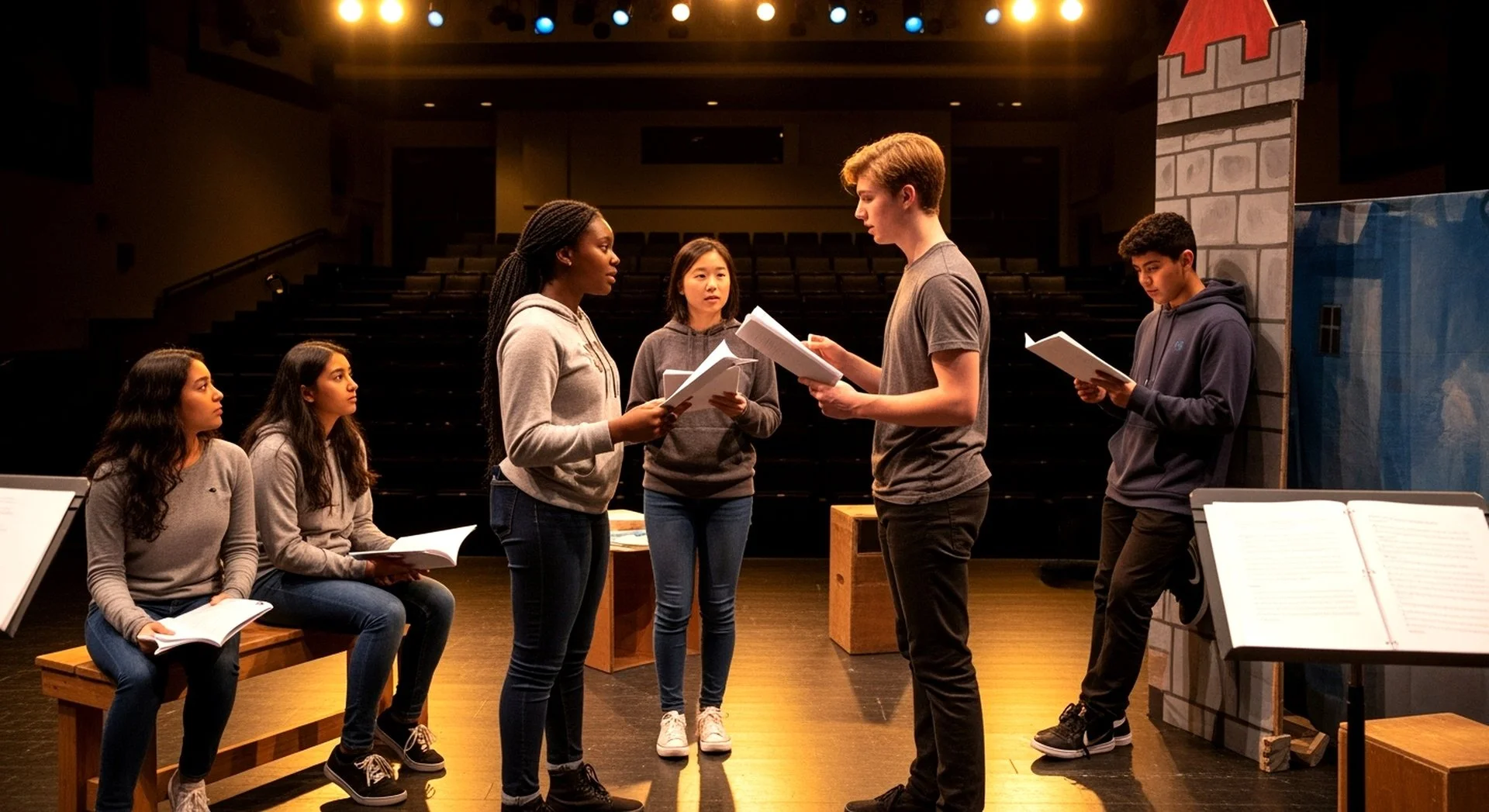
We believe creativity and play are essential to learning and healthy development and must be protected as part of every student’s school day. The current emphasis on testing and a narrow core academic curriculum has increasingly come at the expense of creativity and play in the school day. As a result, fewer schools are able to consistently offer fine arts opportunities—such as drama, music, art, and dance—and students have less time for unstructured play that supports healthy development.
Creativity and play are essential to student well-being, engagement, and learning. One practical, evidence-based step Oklahoma legislators should consider is requiring schools to provide a daily recess period for elementary students. Guaranteed recess supports physical health, improves focus and behavior, and strengthens social-emotional development, helping students succeed both inside and outside the classroom.
SUPPORT LEARNER-CENTERED EDUCATION
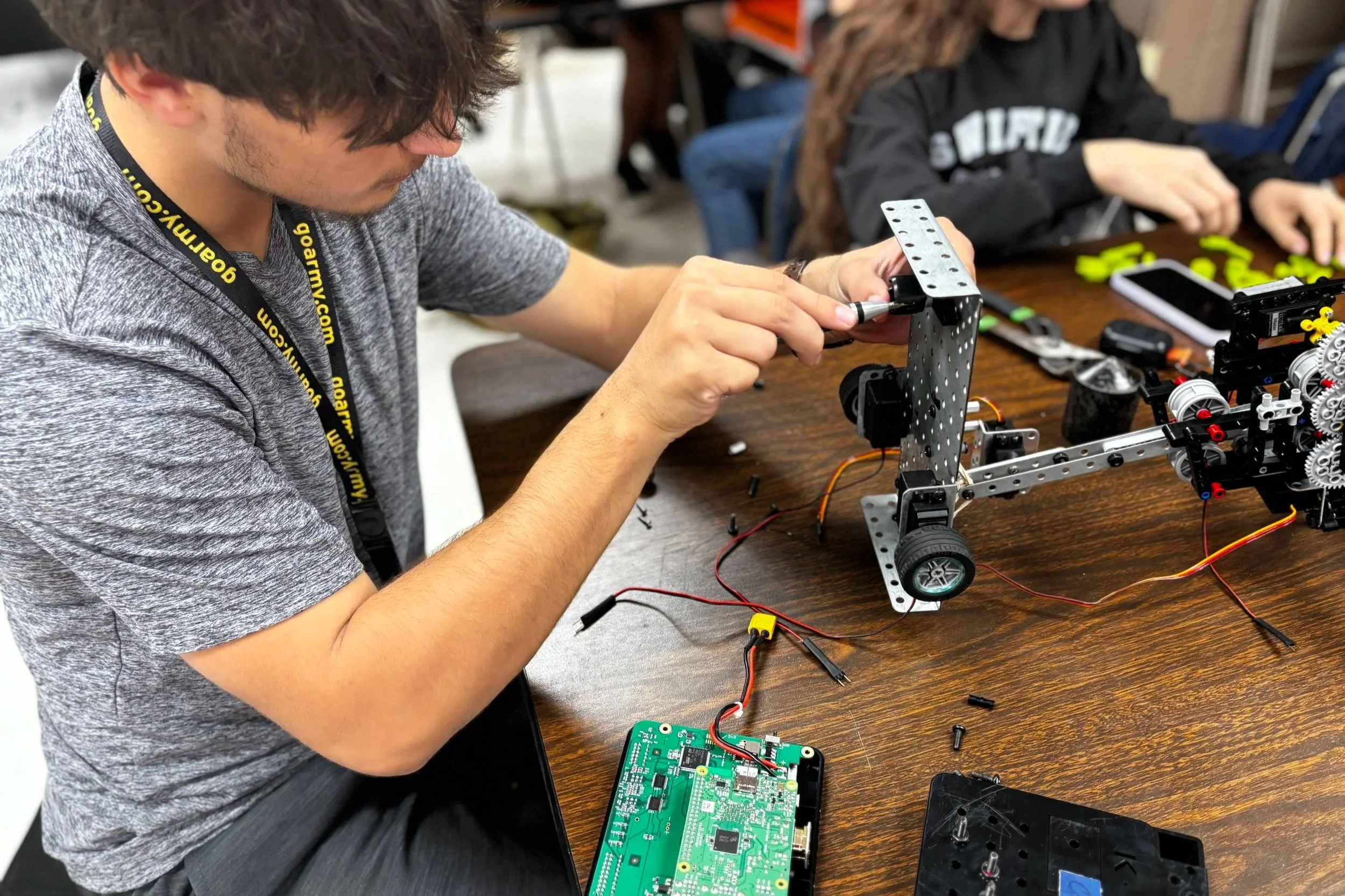
We believe it is vital to offer students learning opportunities that engage, excite, and enrich them. During our B.O.O.K. listening sessions, one longtime administrator stated that "schools have an obligation to offer experiences that are compelling to kids. Too often we have outdated structures of learning that just aren't relevant to students." A current state legislator echoed that idea, saying that we must move beyond trying to fit students into a cookie cutter mold that doesn't allow them to advance at their own pace. Instead, schools should offer students more tailored learning based on individual interests and goals.
The needs of one community may or may not be the best fit for students and schools elsewhere in the state. Accordingly, B.O.O.K. doesn't suggest that any one program necessarily be replicated across the whole state and would caution against legislation imposing mandates on all districts. Instead, the goal should be to encourage all districts to become more flexible, innovative, and responsive to the needs of their students. The State Department of Education may have a role to play in identifying innovative and successful programs, offering technical support, and sharing resources.
RETHINK STANDARDIZED TESTING
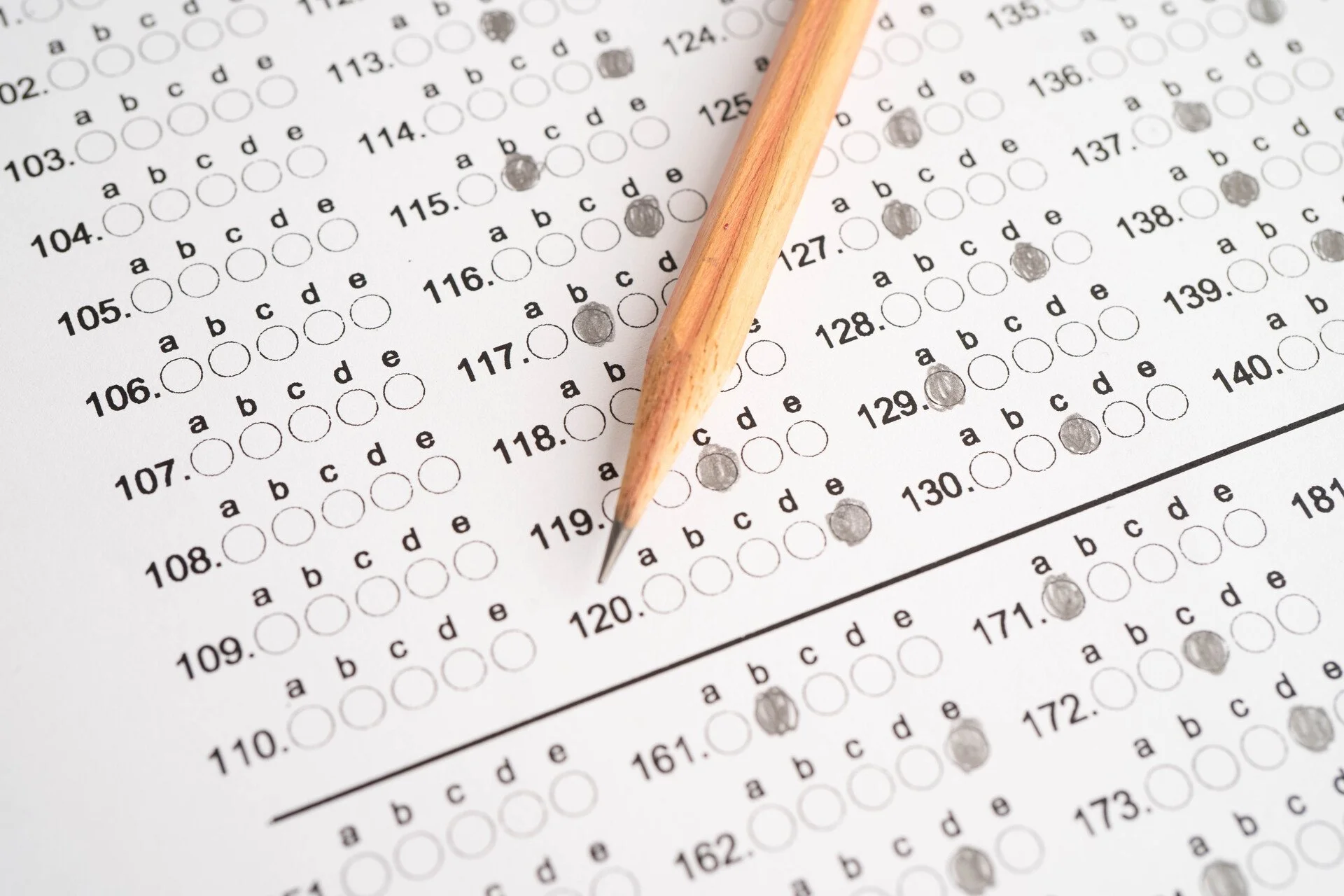
We believe the overreliance on standardized testing is stifling curiosity, creativity, and the love of learning—for students and teachers alike. There likely would be widespread support among teachers, administrators, parents and students alike to do away with high-stakes testing completely and instead use standardized tests simply as diagnostic tools. However, the hands ofthe Legislature and local districts are largely tied by the federal Every Student Succeeds Act (ESSA) law.
If the state has limited discretion regarding which tests it administers, it has more regarding how standardized tests are used. The Legislature should work with education policy experts on a new school report card formula that reduces the weight of standardized test results in favor of measures that better reflect the full academic experience. More urgently, the Legislature should immediately rescind an administrative rule adopted in 2024 by the State Board of Education that threatens school districts with accreditation deficiencies, and ultimately a state takeover, if a majority of their students test below basic proficiency on either the English language arts or math statewide test.

SUPPORT RESTORATIVE JUSTICE
We believe restorative justice strengthens classrooms by reducing disruption while supporting teachers and protecting every student’s right to a safe learning environment. Student behavioral issues are consistently cited as among the greatest challenges facing classroom teachers and school personnel. Managing disruptive students places a heavy strain on teacher morale and affects the opportunities for all students to learn in a safe and healthy environment.
Where schools have implemented research-based restorative justice practices, the results have included improved school climate, lower rates of discipline, reduced racial disparities in school discipline, and better student health and well-being. Twenty-one states, including Texas, New Mexico, Colorado and Louisiana, have adopted laws that support the use of school-based restorative justice. Oklahoma should join these states by enacting legislation that would recognize and support the adoption of restorative justice practices as a preferred alternative to exclusionary practices to the greatest extent possible
END CORPORAL PUNISHMENT
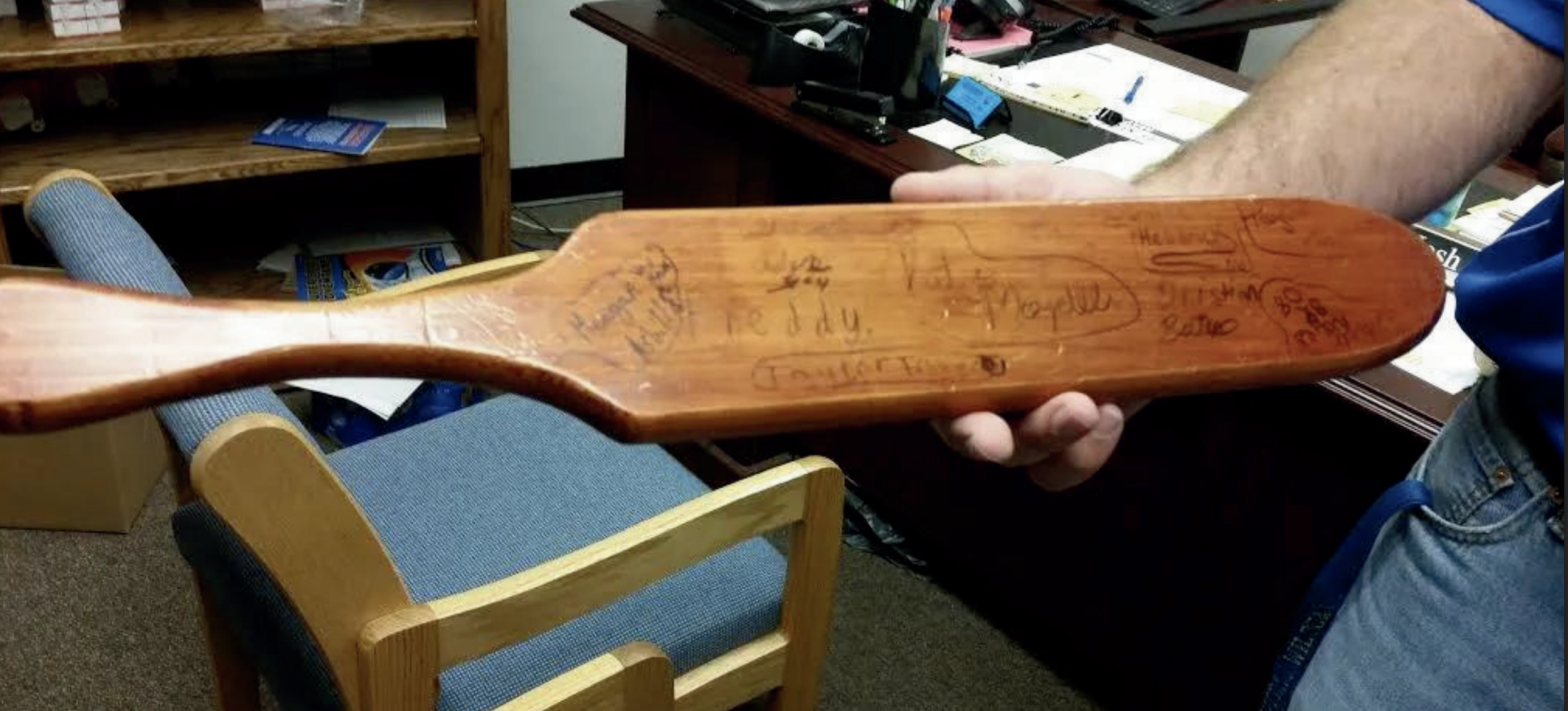
We believe hitting public school children is never okay . Over the years, Oklahoma has prohibited the use of corporal punishment by government actors in juvenile detention facilities, jails, prisons, veterans care homes, and military bases. The only Oklahomans who may still be legally subjected to physical pain by state actors are public schoolchildren. Oklahoma is now one of just 17 states to still allow corporal punishment in public schools.
Substantial research shows corporal punishment has a wide array of adverse physical and psychological effects, ranging from serious physical injuries to mental health problems to poor school performance, higher dropout rates, and greater likelihood of engaging in violence and abuse.
The Oklahoma Legislature took an important but partial step towards abolishing school corporal punishment in 2025 with passage of SB 364 that prohibits corporal punishment for any child identified with a disability in accordance with the Individuals with Disabilities Education Act (IDEA). It's now time for Oklahoma to finish the job and declare that hitting any public school child is never okay.